



If you are a homeowner in Northern Virginia, your backyard is prime real estate. Whether you are planning a weekend family barbecue, enjoying a quiet morning coffee, or winding down under the stars, a premium deck acts as the ultimate extension of your indoor living space.
But when it comes to building a new deck or planning a major structural restoration, you face a critical financial and design decision: Should you build with traditional pressure-treated wood, or invest in premium Trex composite decking?
In areas like Fairfax, Arlington, and Loudoun County, this choice isn’t just about aesthetics—it’s a long-term financial investment. Let’s break down how traditional timber compares to high-end composite materials regarding weather durability, maintenance costs, and total Return on Investment (ROI) to help you make the smartest choice for your home.
1. The Battle Against Virginia Weather: Durability & Lifespan
Northern Virginia weather is notoriously tough on outdoor structures. Our mid-Atlantic climate brings a brutal cycle of freezing, snow-laden winters, rapid spring thaws, and intensely humid summers with heavy UV exposure.
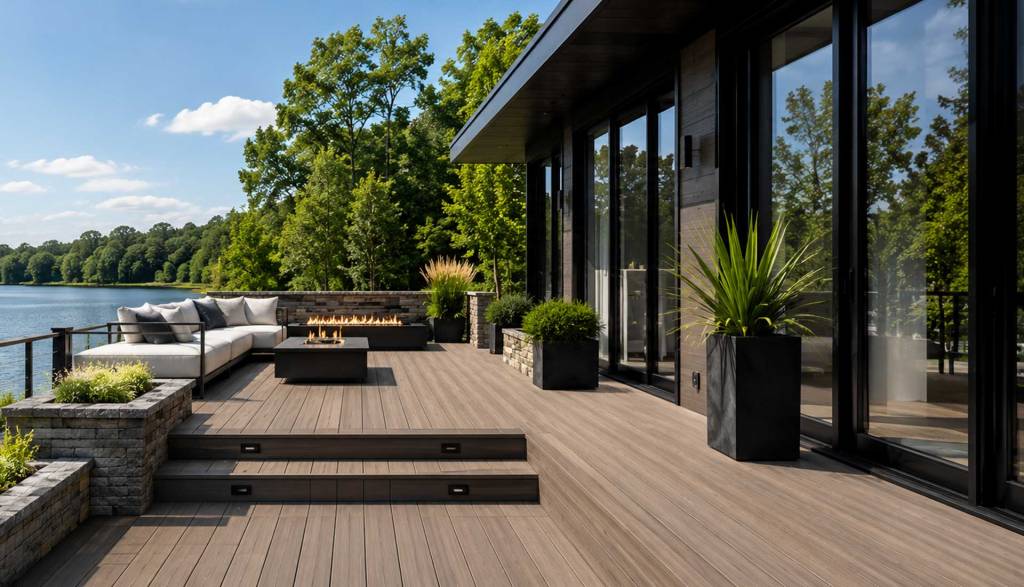
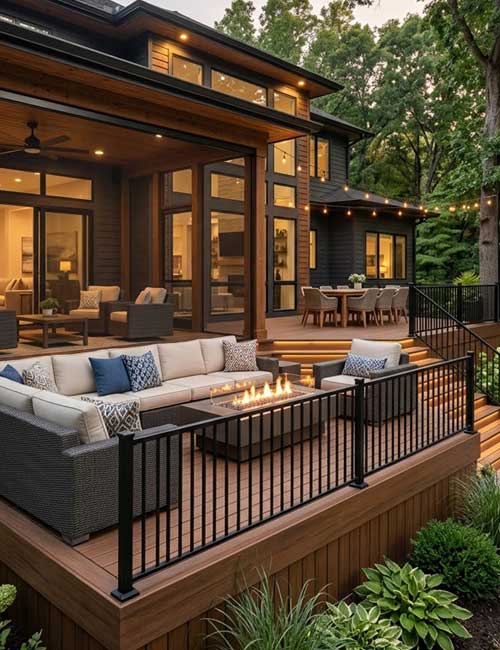
Trex Composite Decking: Engineered from a blend of recycled wood fibers and durable plastics, Trex composite boards are wrapped in a heavy-duty, weather-resistant outer shell. It is completely impervious to moisture, meaning it will never rot, warp, split, or splinter. Whether facing a torrential downpour or a blistering July afternoon, premium composite decking remains structurally flawless and comfortable to walk on barefoot.
Traditional Wood: While pressure-treated wood is budget-friendly upfront, it is highly porous. Over time, the constant cycle of absorbing moisture and drying under the hot summer sun causes natural timber to warp, crack, cup, and splinter. Without meticulous care, a wood deck in Virginia typically starts showing significant structural aging within 5 to 7 years.
2. The True Cost of Maintenance: Weekends vs. Work
When choosing a deck material, many homeowners calculate the cost to build, but forget to calculate the cost to own.
The Hidden Costs of a Wood Deck
To keep a traditional wood deck safe and visually appealing, you must commit to an aggressive maintenance schedule every 18 to 24 months:
- Power washing and deep chemical cleaning.
- Sanding down rough spots and splinters.
- Applying expensive, premium stains or water-sealants.
If you hire professionals, this maintenance costs thousands of dollars over a decade. If you do it yourself, you are sacrificing entire spring weekends to manual labor instead of actually enjoying your outdoor living space.
The Low-Maintenance Composite Alternative
Trex composite decking completely eliminates the maintenance hamster wheel. It requires:
- No sanding.
- No staining or painting.
- No seasonal sealing.
To clean a premium composite deck, all you need is a garden hose, some mild soap, and a soft-bristle brush to wash away seasonal pollen or dirt. Your deck stays rich, vibrant, and beautiful year-round, freeing up your weekends for what matters most.
3. Financial Blueprint: Upfront Cost vs. Long-Term Return on Investment (ROI)
Let’s look at the hard numbers. There is no denying that premium composite decking requires a higher upfront financial investment for materials than standard pressure-treated lumber. However, when you look at the Total Cost of Ownership (TCO) over a 10 to 15-year period, composite quickly becomes the more cost-effective choice.
| Financial Metric | Traditional Wood Deck | Premium Trex Composite Deck |
| Initial Material & Build Cost | Lower upfront investment | Higher upfront investment |
| Bi-Annual Maintenance Cost | $800 – $2,000+ (Stain, sealant, labor) | $0 (Occasional soap & water) |
| Lifespan | 10–15 years (with aggressive maintenance) | 25–50 years (backed by manufacturer warranties) |
| Resale Value / Real Estate Appeal | Variable (Buyers look for rot/wear) | Extremely High (Highly coveted by prospective buyers) |
Boosting Your Property Value in Northern Virginia
In competitive real estate markets like Arlington and Fairfax, prospective homebuyers do not want to inherit a high-maintenance chore. A premium, beautifully designed Trex composite deck adds massive curb appeal and holding value. Real estate statistics consistently show that high-end composite outdoor living spaces yield an exceptional return on investment at home resale, often recouping a massive percentage of their initial construction cost.
The Verdict: Which is the Best Investment?
If you are looking for a short-term, quick fix for a property you plan to sell in a year or two, traditional wood might fit your immediate budget.
However, if you are building a permanent sanctuary for your family, value your free time, and want to maximize your home’s equity, premium Trex composite decking is the undisputed winner. It turns your backyard into a luxury, resort-style asset that pays dividends in comfort, relaxation, and aesthetic beauty for decades to come.
Ready to Elevate Your Outdoor Living Experience?
At Keystone Deck, we specialize in crafting custom, high-end outdoor environments tailored specifically to the unique architecture of Virginia homes. Whether you want to build a brand-new multi-tiered masterpiece or utilize our specialized structural deck restoration service to swap out your weathered wood for premium composite, our master craftsmen are here to bring your vision to life.
